Wednesday, June 9, 2021
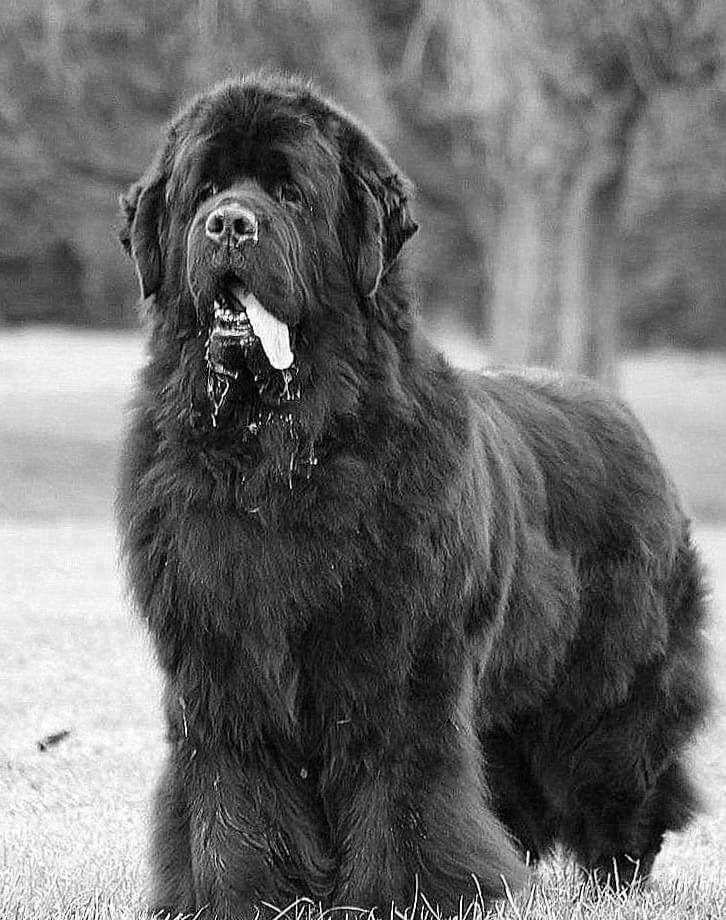
Andrew - Karazan Music Of The Night

Monday, May 31, 2021
Remembering Sergeant Gander
(Veterans Affairs - Canada)
Sergeant Gander was a Newfoundland dog, and was raised by the Hayden family on the airport base in Gander, Newfoundland. He was a friendly dog who loved playing with children. He pulled them on their sleds and kids watched him drool—Newfoundland dogs drool a lot!—He enjoyed living on the base but spent too much time on the runways, trying to catch the planes as they came in to land.
 One day, because he was growing to be so large, the Hayden family decided to give the playful dog to the Royal Rifles of Canada Regiment. He quickly became a good friend and mascot for the soldiers of the regiment.
 Taking care of Gander was a pleasant duty. During wartime the friendship of a dog reminded many of the men of pets and family at home. Gander was a mascot, but he was also seen as a fellow soldier with a job to perform. He would bark and nip at the legs of the enemy, scaring them away. One night in December 1941, Gander showed his true courage.
In 1941, the Royal Rifles of Canada Regiment was sent to Hong Kong to defend the land from an enemy invasion. The men didn’t want to leave Gander behind, so they gave him the rank of “Sergeant” and he boarded the troopship with his fellow soldiers.
Taking care of Gander was a pleasant duty. During wartime the friendship of a dog reminded many of the men of pets and family at home. Gander was a mascot, but he was also seen as a fellow soldier with a job to perform. He would bark and nip at the legs of the enemy, scaring them away. One night in December 1941, Gander showed his true courage.
In 1941, the Royal Rifles of Canada Regiment was sent to Hong Kong to defend the land from an enemy invasion. The men didn’t want to leave Gander behind, so they gave him the rank of “Sergeant” and he boarded the troopship with his fellow soldiers.
 During his time as their mascot, Gander proved his value more than once. There are at least three documented instances of Gander protecting the troops. The first was when a wave of attackers landed on the beach and Gander rushed at them barking and charging at their legs. The second instance occurred at night. There was a group of injured Canadians laying on the road and as a group of Japanese soldiers advanced towards them, Gander flew at them, causing them to change direction.
 He was a smart dog—he knew what a grenade was and how it could hurt people. That night, Gander saw a grenade tossed near a group of wounded Canadian soldiers. He ran to it, took it, and rushed away with it. The grenade exploded and Gander was killed. But he had saved the lives of the seven soldiers! Those men never forgot Sergeant Gander.


Tuesday, May 25, 2021
Satchie - Happy Birthday In Heaven

Saturday, May 22, 2021
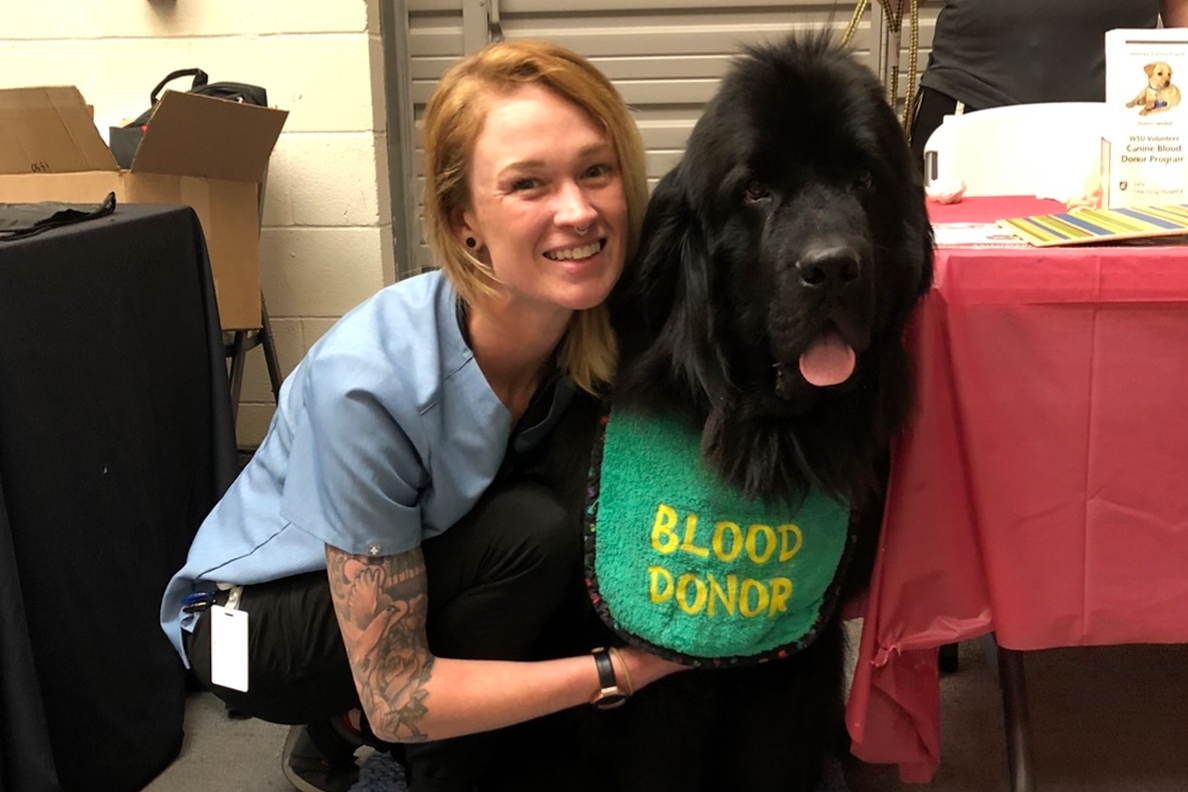
Larry The Newfoundland Dog - Saving Lives In A Different Way
(By Devin Rokyta, College of Veterinary Medicine - Washington State University)
Larry is the typical Newfoundland dog – big, cuddly, and friendly.
 He is a social butterfly and is always up for a tasty treat, napping, or
swimming. He also loves his frequent visits to Washington State University’s
Veterinary Teaching Hospital, where, whether he knows it or not, he is saving
the lives of other dogs as a volunteer blood donor. “Everybody at the veterinary
hospital knows his name and wants to give him attention,” said Sarah Huston, who
is Larry’s owner, best friend, and a licensed veterinary technician at the
hospital. “I don’t know if he knows he is the life-saver he is, but he knows he
is doing good stuff when he goes to the hospital.”
Since the donor program began more than three decades ago,
the veterinary hospital’s blood bank has made it
possible to perform thousands of transfusions and save the lives of countless
dogs and cats. “Last week, we probably would have had two patients die without
using blood,” said Dr. Jane Wardrop, director of the blood bank and the
veterinary hospital’s Clinical Pathology department. “It would be very sad to
not be able to supply these animals with what they need. This program saves
lives. It really does.”
Wardrop typically works with a team of four veterinary
students and a donor base of 20 dogs and a handful of cats. The students are
trained to manage donors and handle collections and processing. Each hopeful
volunteer must go through a litany of tests to ensure it is healthy and that it
has the proper temperament. Dogs must be 1-6 years old, weigh at least 60 pounds
and be able to lie still on a table for 10 minutes while blood is being
collected. Cats, which are sedated during collections, must be 1-6 years old and
weigh at least 10 pounds. Pet owners are asked to commit to the program for at
least two years. Dog volunteers typically make donations every two months, while
cats can donate every three months. “We want dogs that are happy to come here,
that look forward to it, that wag their tail when they go in that transfusion
room,” Wardrop said.
“They get a lot of praise and belly rubs – stuff you
wouldn’t do with a person giving blood.” In addition to knowing their pet is
saving the lives of other dogs and cats, pet owners also get a handful of perks,
including free Purina dog or cat food thanks to the program’s longstanding
partnership with Nestlé Purina PetCare. “Purina has been gracious enough to
provide their food for donors in our program, and we can’t thank them enough for
their partnership and help with this program,” Wardrop said. Avi Shaprut,
veterinary communications manager at Nestlé Purina PetCare, said Purina is proud
to have the opportunity to provide high-quality food to donors. “These owners
have committed their pets to serving a higher purpose in providing lifesaving
blood to help other pets survive during times of dire need,” Shaprut said. “Our
Pro Plan diets provide protein and nutrients to help these heroes thrive and be
able to donate again at a suitable time.
As such, this now longstanding
partnership with this impactful program just makes sense.” The food is just a
small thank you to the blood donors and their owners who make such a difference.
“A lot of our critical care and emergency patients,” Huston said, “they wouldn’t
go home to their families without these life-saving donations that our blood
donors provide.”
He is a social butterfly and is always up for a tasty treat, napping, or
swimming. He also loves his frequent visits to Washington State University’s
Veterinary Teaching Hospital, where, whether he knows it or not, he is saving
the lives of other dogs as a volunteer blood donor. “Everybody at the veterinary
hospital knows his name and wants to give him attention,” said Sarah Huston, who
is Larry’s owner, best friend, and a licensed veterinary technician at the
hospital. “I don’t know if he knows he is the life-saver he is, but he knows he
is doing good stuff when he goes to the hospital.”
Since the donor program began more than three decades ago,
the veterinary hospital’s blood bank has made it
possible to perform thousands of transfusions and save the lives of countless
dogs and cats. “Last week, we probably would have had two patients die without
using blood,” said Dr. Jane Wardrop, director of the blood bank and the
veterinary hospital’s Clinical Pathology department. “It would be very sad to
not be able to supply these animals with what they need. This program saves
lives. It really does.”
Wardrop typically works with a team of four veterinary
students and a donor base of 20 dogs and a handful of cats. The students are
trained to manage donors and handle collections and processing. Each hopeful
volunteer must go through a litany of tests to ensure it is healthy and that it
has the proper temperament. Dogs must be 1-6 years old, weigh at least 60 pounds
and be able to lie still on a table for 10 minutes while blood is being
collected. Cats, which are sedated during collections, must be 1-6 years old and
weigh at least 10 pounds. Pet owners are asked to commit to the program for at
least two years. Dog volunteers typically make donations every two months, while
cats can donate every three months. “We want dogs that are happy to come here,
that look forward to it, that wag their tail when they go in that transfusion
room,” Wardrop said.
“They get a lot of praise and belly rubs – stuff you
wouldn’t do with a person giving blood.” In addition to knowing their pet is
saving the lives of other dogs and cats, pet owners also get a handful of perks,
including free Purina dog or cat food thanks to the program’s longstanding
partnership with Nestlé Purina PetCare. “Purina has been gracious enough to
provide their food for donors in our program, and we can’t thank them enough for
their partnership and help with this program,” Wardrop said. Avi Shaprut,
veterinary communications manager at Nestlé Purina PetCare, said Purina is proud
to have the opportunity to provide high-quality food to donors. “These owners
have committed their pets to serving a higher purpose in providing lifesaving
blood to help other pets survive during times of dire need,” Shaprut said. “Our
Pro Plan diets provide protein and nutrients to help these heroes thrive and be
able to donate again at a suitable time.
As such, this now longstanding
partnership with this impactful program just makes sense.” The food is just a
small thank you to the blood donors and their owners who make such a difference.
“A lot of our critical care and emergency patients,” Huston said, “they wouldn’t
go home to their families without these life-saving donations that our blood
donors provide.”
Thursday, May 13, 2021
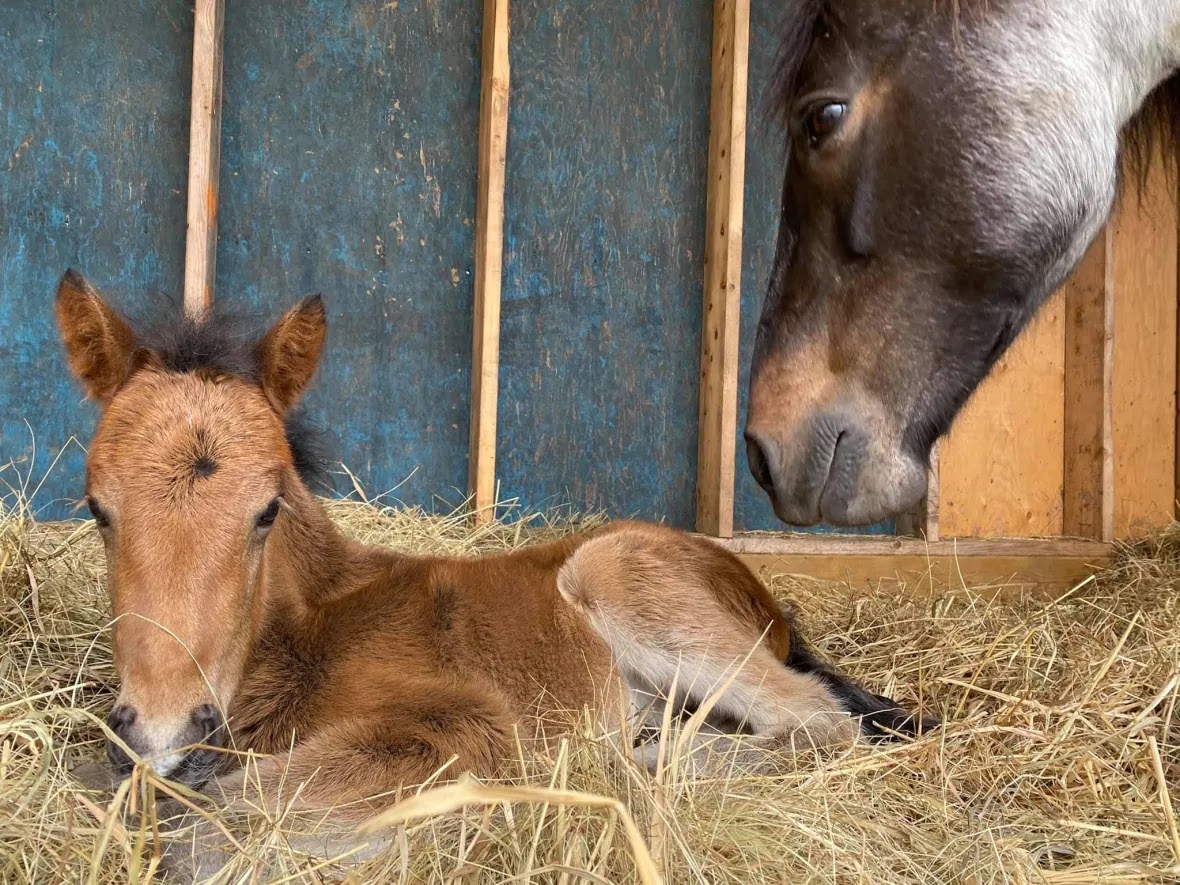
Meet The Newfoundland Pony


Saturday, May 8, 2021


Tuesday, April 27, 2021
Rover - The Canine Keeper Of Cotswold Cottage
ROVER – THE CANINE KEEPER OF COTSWOLD COTTAGE
(By Lauren Brady – The Henry Ford)
 "When Cotswold Cottage and its surrounding buildings were brought to Greenfield Village, Henry Ford aimed to recreate every detail of one of his and Clara’s favorite regions of England.
Henry purchased the cottage, barn, and a nearby blacksmith shop for Greenfield Village in 1929 and the structures were shipped in 1930. Along with the disassembled structures came English stonemasons, who were tasked with reconstructing each building stone by stone. Henry promoted one of his own employees, Gus Munchow, to take charge of recreating the gardens and grounds around them.
The earliest interpretation of Cotswold Cottage intended to present it as a home for English sheepherders. To fully bring this story to life, Henry had a group of sheep imported from the Cotswold region of England to take up residence on the grounds.
Plans for the Cotswold setting were nearly perfect, except for one very large missing detail.
When the English stonemasons recalled a black Newfoundland sheep dog roaming the original site, Henry inquired if the dog might consider a move to Michigan. The stonemasons suggested the dog “undoubtedly adored the King” and probably “did not like boats.” Instead, it was decided to find a substitute puppy that could be raised at the cottage to act as sheepherder and guardsman like his English predecessor.
Henry’s secretary began researching the best genetic strains of Newfoundland dogs and located a litter from a lineage of aristocratic, award-winning dogs nearby in Canada. Rover, deemed their best dog, was sent by train to Dearborn.
Rover was trained by Gus Munchow, manager of the gardens and grounds, and was given a home in the Cotswold barn—although some accounts recall he often made himself comfortable inside the cottage. Weighing more than 130 pounds by his first birthday, Rover quickly grew into a smart and dedicated companion to both the sheep and Gus.
Dedicated in all seasons, day and night, Rover happily attended to chores with Gus. He
delivered feeding buckets to the sheep, carried extra tools, and was responsible for holding the
clock on their night rounds.
One of several canine citizens of Greenfield Village at the time, Rover’s neighbors included two Dalmatian coach dogs and a Scottish Terrier named McTavish that enjoyed the company of the schoolchildren who learned in the Giddings Family Home next door.
Enthusiastic in his pursuit to keep any of the other Village dogs from approaching the grounds he guarded, Rover had the stature and size to insist upon them keeping their distance—and they happily obeyed.
Rover received visits from many distinguished guests, including Princess Takamatsu of Japan and President Herbert Hoover, but his favorite visitors were the Edison Institute schoolchildren. He always offered his paw for a shake, welcomed pats on the head, and even became a popular subject of their art and writing exercises as evidenced in many issues of The Herald, the school’s publication.
Even Henry Ford was an admirer of Rover. Gus recalled in his oral history: “That dog would only take orders from myself and Mr. Ford. Mr. Ford used to come through that gate, and the dog would run up to him, and he would play with him for a minute or two.”
Henry realized Rover’s deep bond to Gus when his beloved master fell ill in July 1934. Gus had suffered from appendicitis and was rushed to Henry Ford Hospital, where he stayed for more than a week. When Henry came to visit Rover, he found him lying in the middle of the road, unwilling to move. He seemed to be waiting for Gus to return and was refusing to eat. Realizing Rover must be distressed by Gus’s absence, he requested the dog receive a special bath and be driven in his personal car to the hospital.
The scene of the giant dog visiting the hospital caught the attention of the Detroit News, which wrote a feature article on the visit: “There was a great deal of difficulty in getting the large dog into the hospital, and once inside the door, he had to be dragged along. But when he approached the room where Gus lay and heard the sound of his master’s voice, he ran joyfully to the bed, jumped upon it, and threw everybody and everything into confusion.” The article was happy to report that following the reunion, Rover quickly regained both his appetite and the 15 pounds he had lost from worry.
"When Cotswold Cottage and its surrounding buildings were brought to Greenfield Village, Henry Ford aimed to recreate every detail of one of his and Clara’s favorite regions of England.
Henry purchased the cottage, barn, and a nearby blacksmith shop for Greenfield Village in 1929 and the structures were shipped in 1930. Along with the disassembled structures came English stonemasons, who were tasked with reconstructing each building stone by stone. Henry promoted one of his own employees, Gus Munchow, to take charge of recreating the gardens and grounds around them.
The earliest interpretation of Cotswold Cottage intended to present it as a home for English sheepherders. To fully bring this story to life, Henry had a group of sheep imported from the Cotswold region of England to take up residence on the grounds.
Plans for the Cotswold setting were nearly perfect, except for one very large missing detail.
When the English stonemasons recalled a black Newfoundland sheep dog roaming the original site, Henry inquired if the dog might consider a move to Michigan. The stonemasons suggested the dog “undoubtedly adored the King” and probably “did not like boats.” Instead, it was decided to find a substitute puppy that could be raised at the cottage to act as sheepherder and guardsman like his English predecessor.
Henry’s secretary began researching the best genetic strains of Newfoundland dogs and located a litter from a lineage of aristocratic, award-winning dogs nearby in Canada. Rover, deemed their best dog, was sent by train to Dearborn.
Rover was trained by Gus Munchow, manager of the gardens and grounds, and was given a home in the Cotswold barn—although some accounts recall he often made himself comfortable inside the cottage. Weighing more than 130 pounds by his first birthday, Rover quickly grew into a smart and dedicated companion to both the sheep and Gus.
Dedicated in all seasons, day and night, Rover happily attended to chores with Gus. He
delivered feeding buckets to the sheep, carried extra tools, and was responsible for holding the
clock on their night rounds.
One of several canine citizens of Greenfield Village at the time, Rover’s neighbors included two Dalmatian coach dogs and a Scottish Terrier named McTavish that enjoyed the company of the schoolchildren who learned in the Giddings Family Home next door.
Enthusiastic in his pursuit to keep any of the other Village dogs from approaching the grounds he guarded, Rover had the stature and size to insist upon them keeping their distance—and they happily obeyed.
Rover received visits from many distinguished guests, including Princess Takamatsu of Japan and President Herbert Hoover, but his favorite visitors were the Edison Institute schoolchildren. He always offered his paw for a shake, welcomed pats on the head, and even became a popular subject of their art and writing exercises as evidenced in many issues of The Herald, the school’s publication.
Even Henry Ford was an admirer of Rover. Gus recalled in his oral history: “That dog would only take orders from myself and Mr. Ford. Mr. Ford used to come through that gate, and the dog would run up to him, and he would play with him for a minute or two.”
Henry realized Rover’s deep bond to Gus when his beloved master fell ill in July 1934. Gus had suffered from appendicitis and was rushed to Henry Ford Hospital, where he stayed for more than a week. When Henry came to visit Rover, he found him lying in the middle of the road, unwilling to move. He seemed to be waiting for Gus to return and was refusing to eat. Realizing Rover must be distressed by Gus’s absence, he requested the dog receive a special bath and be driven in his personal car to the hospital.
The scene of the giant dog visiting the hospital caught the attention of the Detroit News, which wrote a feature article on the visit: “There was a great deal of difficulty in getting the large dog into the hospital, and once inside the door, he had to be dragged along. But when he approached the room where Gus lay and heard the sound of his master’s voice, he ran joyfully to the bed, jumped upon it, and threw everybody and everything into confusion.” The article was happy to report that following the reunion, Rover quickly regained both his appetite and the 15 pounds he had lost from worry.
 When Gus returned to work, Rover always had one eye on his sheep and one eye on his master, making sure neither wandered too far out of sight.
Rover continued serving Gus and Cotswold Cottage for many years. He was indeed “a very good and faithful pal” whose spirit will live on forever as part of Greenfield Village. His grave marker can still be seen today behind the cottage."
When Gus returned to work, Rover always had one eye on his sheep and one eye on his master, making sure neither wandered too far out of sight.
Rover continued serving Gus and Cotswold Cottage for many years. He was indeed “a very good and faithful pal” whose spirit will live on forever as part of Greenfield Village. His grave marker can still be seen today behind the cottage."


Subscribe to:
Posts (Atom)